Line striping
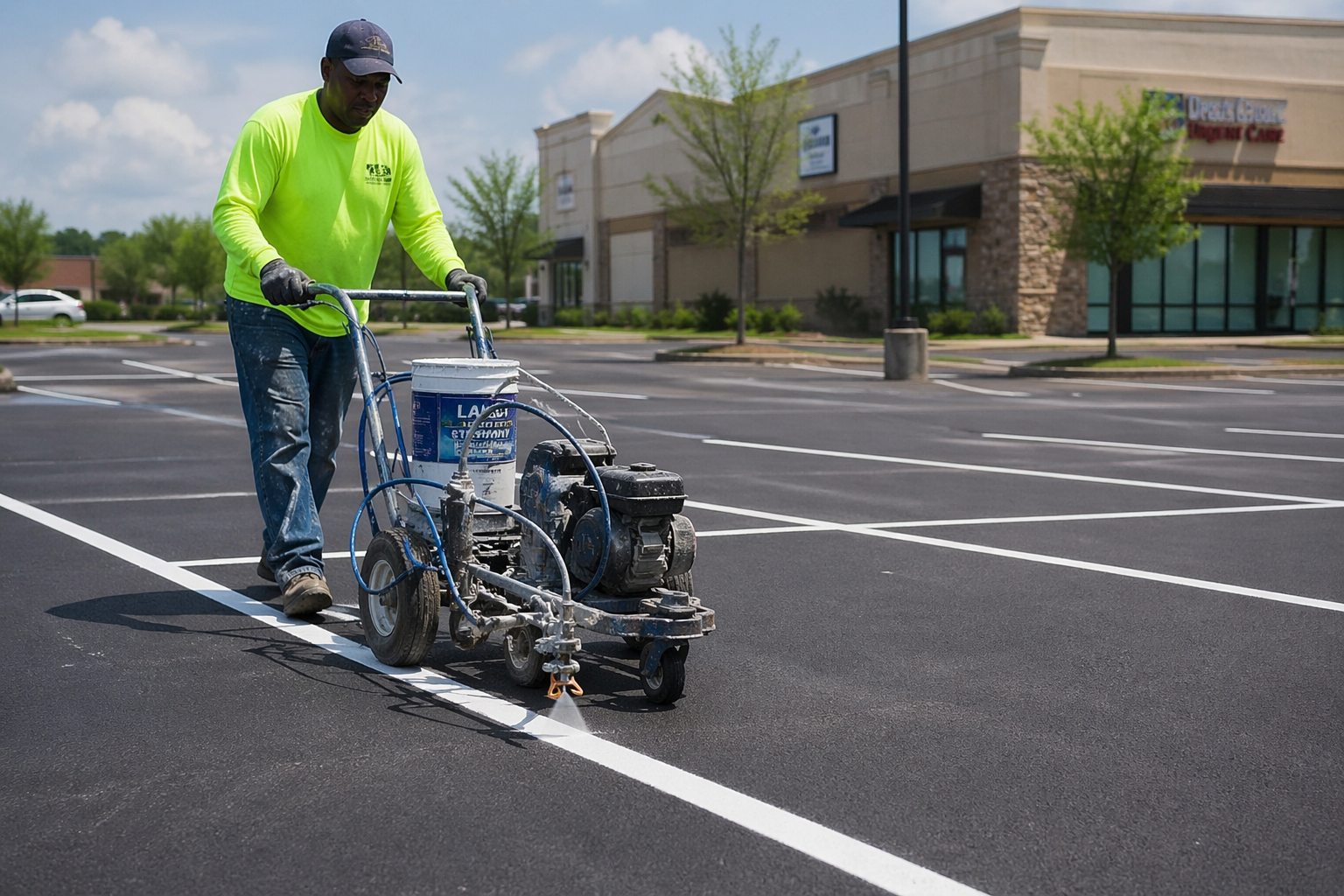
Line striping is essential for safety, organization, and overall appearance. It directs traffic, maximizes parking space, and ensures compliance with ADA regulations, reducing liability for property owners. Fresh, visible lines also make a property look well-maintained and professional, especially after sealcoating, making it a key part of any asphalt maintenance job.
Crackfill
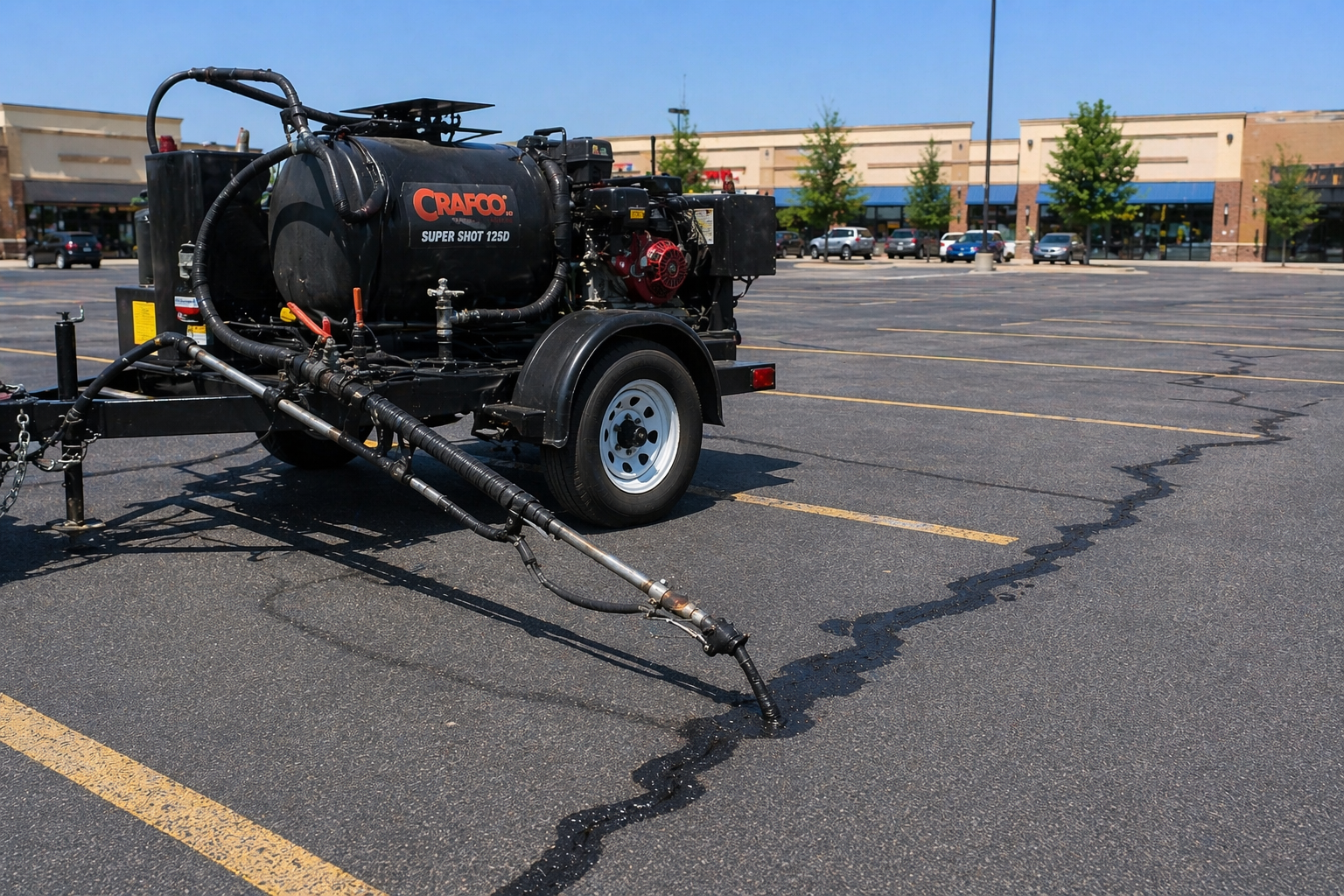
Crack filling is one of the most important steps in asphalt maintenance because it stops water from getting beneath the surface, which is what causes pavement to break down quickly. By sealing cracks early with hot rubber, you prevent them from expanding into potholes or major damage, saving thousands in repairs. It also extends the life of the pavement and creates a solid base before sealcoating, making the entire job last longer and perform better.
Sealcoating
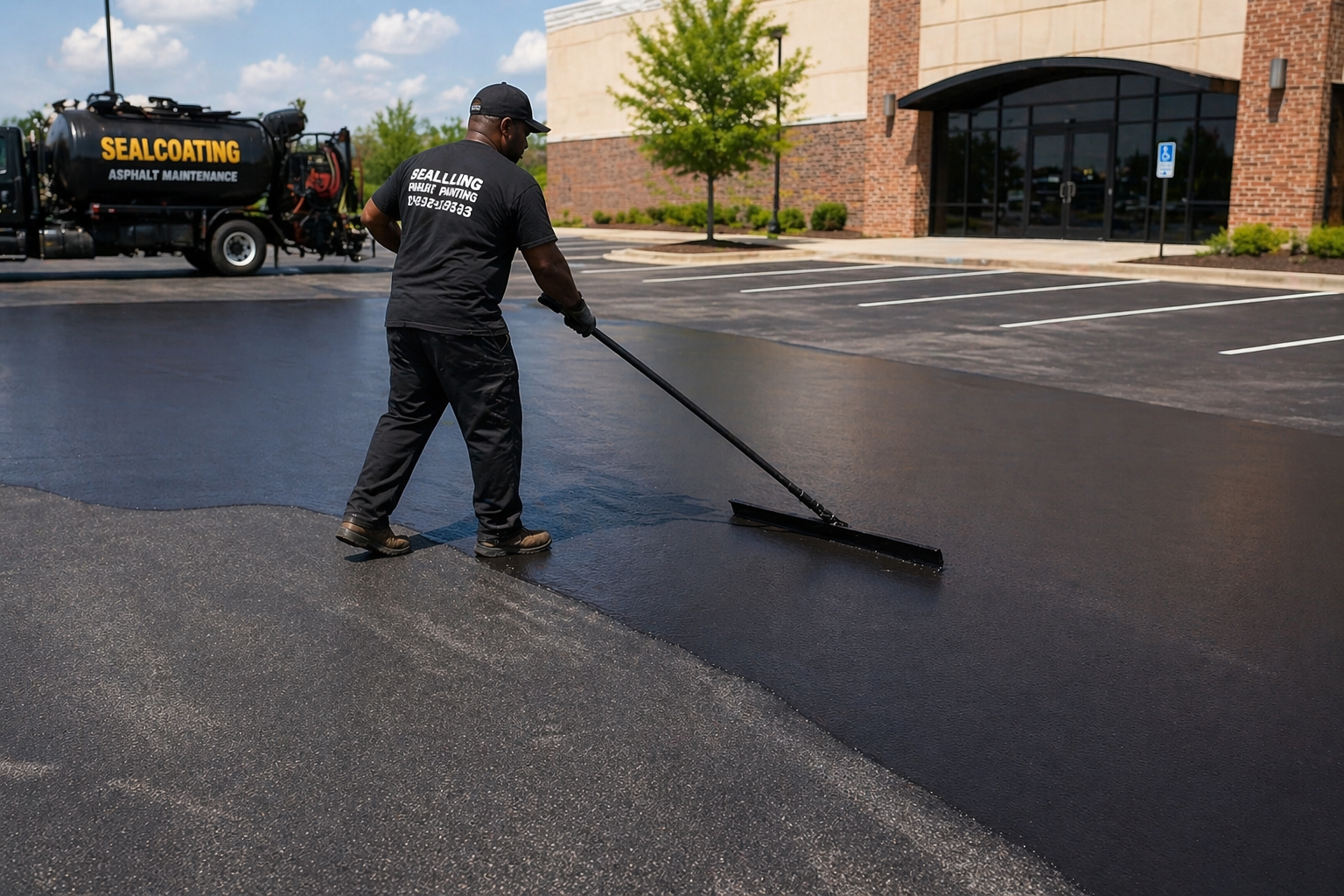
Sealcoating protects asphalt from water, oil, and UV damage, which slows down cracking and deterioration. It extends the life of the pavement, improves appearance with a clean black finish, and helps reduce long-term repair costs by preventing bigger issues from forming.
Asphalt repair
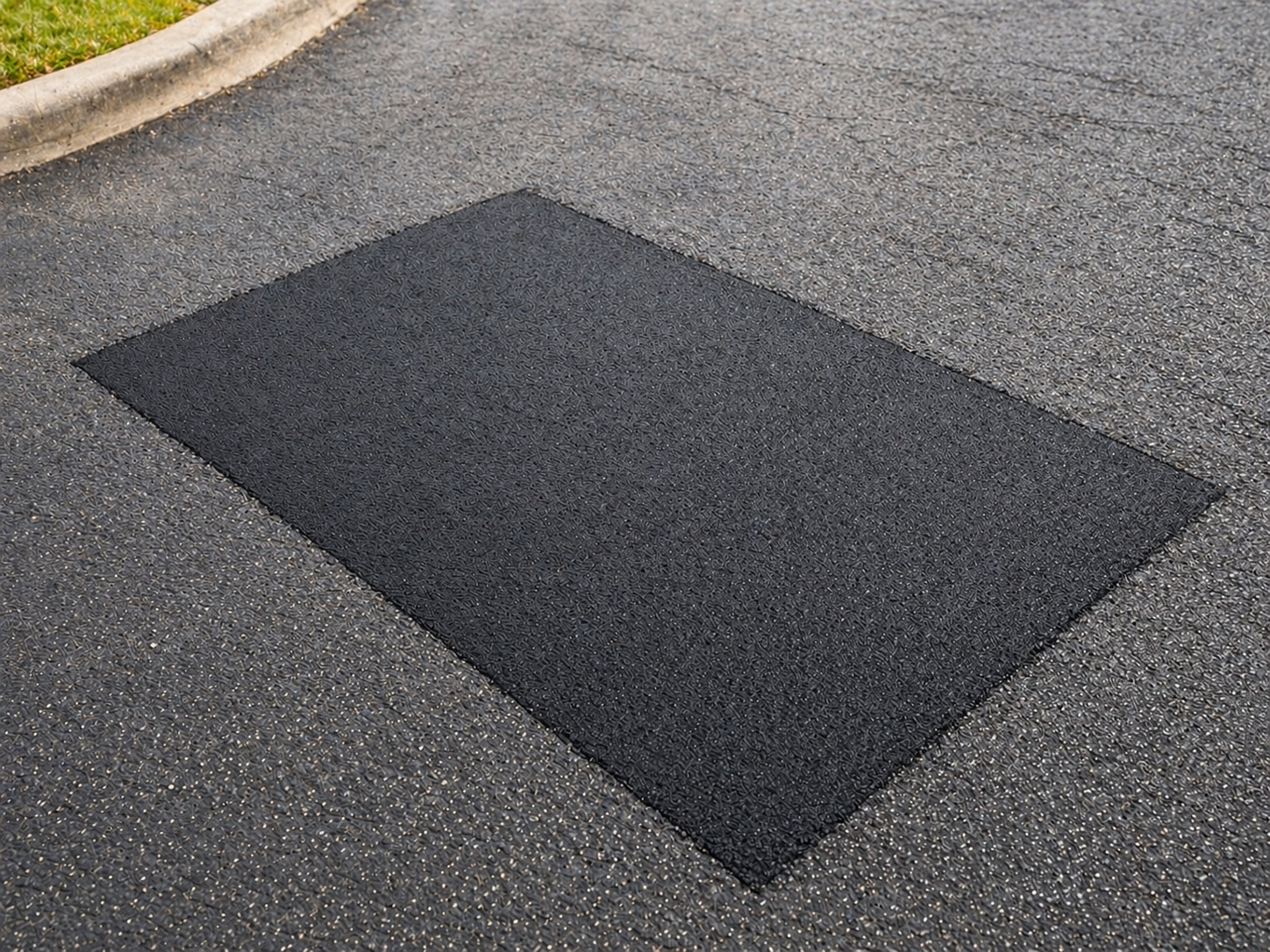
Asphalt pothole repair is critical because small damage can quickly turn into major structural failure if left untreated. When water seeps into cracks and freezes or weakens the base, potholes form and continue to expand under traffic, leading to costly repairs or full replacement. Fixing potholes early protects the integrity of the pavement, extends the lifespan of the asphalt, and saves property owners significant money over time. It also improves safety by preventing vehicle damage and reducing trip hazards for pedestrians, while keeping the surface looking clean, professional, and well-maintained—especially important for homes and businesses trying to maintain strong curb appeal.